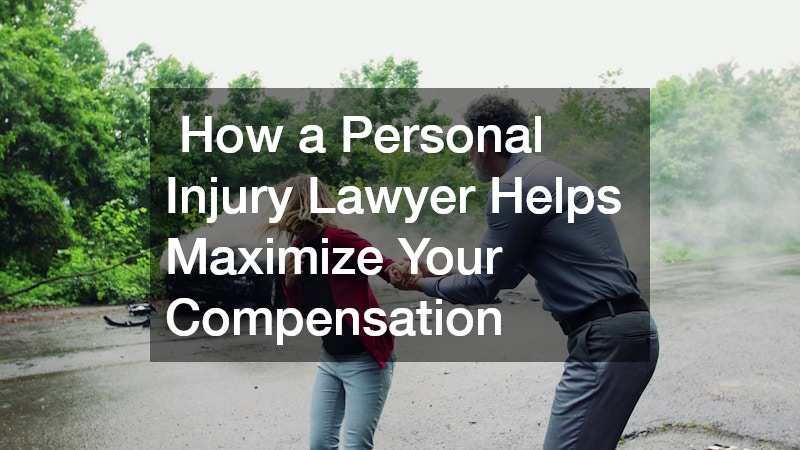

An accident can change your life in an instant. Whether you were injured in a car crash, a slip and fall, or another incident caused by someone else’s negligence, the physical, emotional, and financial consequences can be overwhelming. Medical appointments, time away from work, ongoing treatment, and unexpected expenses often create significant stress during an already difficult time.
Working with a personal injury lawyer can make a meaningful difference in the outcome of your case. Legal professionals understand how to build strong claims, negotiate effectively with insurance companies, and pursue fair compensation for every aspect of an injury.
Their experience allows injured individuals to focus on recovery while someone else manages the legal complexities.
Understanding the Full Value of Your Claim
One of the most important ways legal representation helps maximize compensation is by accurately determining what your claim is worth. Many accident victims initially focus only on immediate medical bills, but an injury often creates lasting financial and personal consequences that deserve careful consideration.
A thorough evaluation includes reviewing medical records, treatment plans, rehabilitation costs, lost wages, and any reduction in future earning capacity. If an injury requires ongoing care or permanently affects your ability to work, those future losses should also be considered when calculating damages.
Beyond financial losses, non-economic damages may also play a significant role. Pain, emotional distress, diminished quality of life, and the inability to participate in activities you once enjoyed can all impact the value of a claim. While these damages may not have a clear price tag, they represent real hardships experienced by injured individuals.
Gathering Strong Evidence to Support Your Case
Successful injury claims rely on convincing evidence. Even when liability appears obvious, proving the extent of damages and establishing responsibility requires detailed documentation.
Evidence may include accident reports, photographs, surveillance footage, witness statements, medical records, employment documentation, and expert opinions. Each piece helps create a clear picture of what happened and how the injury has affected your life.
In many situations, additional investigation may be necessary. Accident reconstruction specialists, medical experts, vocational professionals, or financial analysts can provide valuable insight that strengthens a claim. These professionals help explain technical issues in ways that support the injured person’s position during negotiations or litigation.
Negotiating Effectively With Insurance Companies
Insurance adjusters handle claims every day and are trained to protect the company’s financial interests. They may request recorded statements, dispute medical treatment, argue that injuries were pre-existing, or present settlement offers before the full impact of an injury is known.
An experienced personal injury lawyer understands how insurance companies evaluate cases and recognizes strategies designed to reduce compensation. Instead of accepting an initial offer, legal counsel presents evidence supporting the full value of the claim and responds effectively to arguments intended to minimize liability.
Negotiation often involves multiple rounds of communication, additional documentation, and continued evaluation of medical progress. Patience during this process can result in significantly better outcomes than accepting a quick settlement.
If negotiations reach an impasse, having legal representation demonstrates a willingness to pursue further legal action if necessary. Insurance companies frequently take claims more seriously when they know the injured party is prepared to protect their rights through every available legal option.
Preparing for Litigation When Necessary
While many injury claims are resolved through settlement negotiations, some cases require filing a lawsuit to pursue fair compensation. Litigation becomes necessary when liability is disputed, damages are contested, or settlement offers remain unreasonably low.
Preparing for litigation involves much more than appearing in court. It includes filing legal documents, conducting discovery, interviewing witnesses, gathering expert testimony, reviewing evidence, and complying with procedural deadlines. Every stage requires attention to detail and thorough preparation.
Even after a lawsuit begins, settlement discussions often continue. The willingness to fully prepare a case for trial can strengthen negotiating leverage because opposing parties understand that the claim is supported by substantial evidence.
Court proceedings also provide opportunities to present testimony from medical professionals, economists, accident reconstruction experts, and other specialists who help explain the long-term effects of an injury. Their opinions can reinforce the value of damages that might otherwise be underestimated.
Throughout the process, legal counsel manages procedural requirements while keeping clients informed about developments, helping them understand available options and potential outcomes. This guidance reduces uncertainty during what can otherwise become an intimidating legal experience.
Recovering from an injury involves much more than healing physically. Medical expenses, lost income, emotional stress, and uncertainty about the future can create lasting challenges that deserve thoughtful legal attention. Understanding the full value of your claim and presenting strong supporting evidence are essential steps toward obtaining appropriate compensation.
Working with a personal injury lawyer provides valuable support throughout every phase of the claims process. From investigating the accident and documenting damages to negotiating with insurance companies and preparing for litigation when necessary, experienced legal representation helps protect your interests while you focus on recovery.
Every injury case is unique, and the outcome depends on the specific facts and circumstances involved. Taking the time to pursue a thorough, well-supported claim can improve the likelihood of receiving compensation that reflects both your immediate losses and your future needs, helping you move forward with greater confidence after a difficult experience.