
A slip on an icy sidewalk can leave you with a painful injury, unexpected medical bills, and a lot of questions about who should be held responsible. Many people assume that any fall on ice automatically means someone else has to pay, but the law doesn’t work that way. Winter injury claims depend on specific facts about who controlled the property, how long the hazard existed, and whether reasonable steps were taken to fix it. Understanding these details before you pursue a claim can save you time, frustration, and false hope.
Proving the Property Owner Was Actually Negligent
Simply falling on ice is not enough to win a claim. You have to show that the property owner or manager knew, or reasonably should have known, about the dangerous condition and failed to address it within a reasonable time. This is often the biggest hurdle in a slip and fall case, since courts want evidence, not assumptions. Photos, witness statements, and maintenance records all play a role in establishing that negligence actually occurred.
- The property owner had actual knowledge of the ice and ignored it
- The hazard existed long enough that the owner should have discovered it through reasonable inspection
- No warning signs, salt, or barriers were placed near the hazard
- The ice formed from a preventable issue, like a broken gutter or poor drainage
Understanding Natural Accumulation Versus Unnatural Hazards
Many states distinguish between ice that forms naturally during a snowstorm and ice that results from something the property owner did or failed to do. If a storm rolls in and ice forms before anyone has a reasonable chance to clear it, the owner is often not liable for that natural accumulation. However, if a broken downspout repeatedly drips water onto a walkway and it refreezes into a hazardous patch, that is generally considered an unnatural or preventable condition. This distinction can make or break a case, and it varies significantly depending on local law.
- Natural accumulation: fresh snow or ice from an ongoing storm
- Unnatural accumulation: ice from leaking pipes, poor drainage, or irrigation runoff
- Some cities require snow removal within a set number of hours after a storm ends
- Repeated freeze-thaw cycles from neglected maintenance can shift liability toward the owner
Checking Local Snow Removal Ordinances and Timelines
Cities and towns often have specific ordinances requiring property owners to clear snow and ice within a certain window, such as 24 hours after a storm. If an owner violates that ordinance and someone is injured during the delay, it can strengthen a claim considerably. On the other hand, if you fell during the middle of an active storm before the deadline had even passed, that timing can work against you. Knowing your local rules is a critical first step before assuming you have grounds for a lawsuit.
- Look up your city or county snow removal ordinance online or through the clerk’s office
- Note the exact time and date of your fall compared to when the storm ended
- Check whether commercial properties face stricter deadlines than private homes
- Ask whether the property has a history of complaints or prior citations
Determining Who Legally Controlled the Property
Liability often hinges on who was legally responsible for maintaining the area where you fell, and that is not always obvious. A landlord, a tenant, a snow removal contractor, or a homeowners association could each bear some responsibility depending on lease terms and service agreements. This is where reviewing property records and contracts becomes important, and it is a task where real estate lawyers can offer valuable insight. Sorting out these overlapping responsibilities early can prevent you from pursuing a claim against the wrong party entirely.
- Review lease agreements to see who is assigned snow and ice removal duties
- Check if a third-party contractor was hired and whether they carry liability insurance
- Determine if the property is part of a homeowners association with shared responsibilities
- Confirm ownership records to rule out disputes over who actually controls the land
Weighing Comparative Fault and Your Own Actions
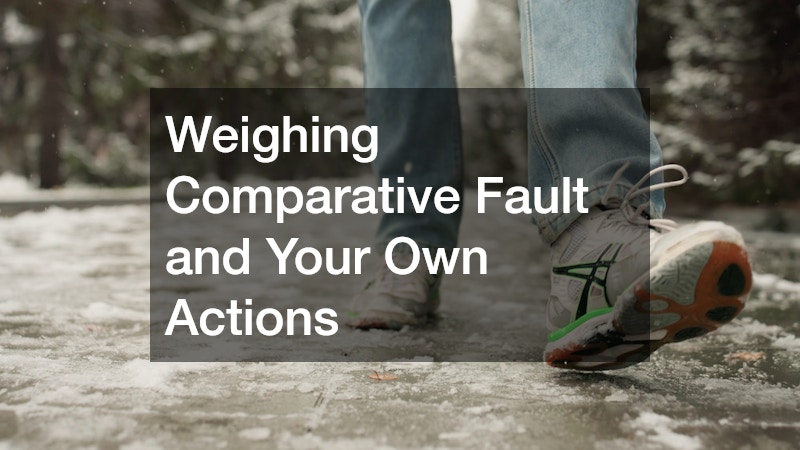
Even when a property owner bears some responsibility, your own behavior at the time of the fall matters too. Many states apply comparative fault rules, which reduce your compensation if you were partly to blame for the accident. Wearing inappropriate footwear, ignoring posted warning signs, or walking in a clearly roped-off area can all be used to argue that you contributed to your own injury. Being honest with yourself about these factors early on helps set realistic expectations for any potential claim.
- Wearing high heels or smooth-soled shoes on visibly icy pavement
- Walking past a posted caution sign or cone
- Taking a shortcut through an unshoveled area instead of a cleared path
- Being distracted by a phone or bag while walking on a known hazard
Deciding When to Seek Professional Legal Guidance
Because these cases hinge on nuanced facts, timelines, and local law, it often makes sense to have a professional evaluate your situation before you decide whether to move forward. Many personal injury lawyers offer free initial consultations, which means you can learn where you stand without any financial commitment. They can help you gather the right evidence, identify the responsible party, and calculate whether your medical costs and lost wages justify pursuing a claim. Waiting too long to seek advice can also hurt you, since evidence like ice patches and weather conditions disappear quickly.
- Document the scene with photos and video as soon as possible after the fall
- Save medical records and bills related to your treatment
- Get contact information from any witnesses at the scene
- Ask about consultation fees and contingency arrangements before committing to representation
Slipping on ice is a frustrating and often painful experience, but it does not automatically translate into a winning legal claim. Success depends on factors like who controlled the property, whether the hazard was natural or preventable, and how quickly it should have been addressed. Taking the time to document what happened and understand the relevant rules puts you in a much stronger position moving forward. If you are still unsure where you stand, reaching out for a professional evaluation of your specific situation is a smart and low-risk next step.