Healthy trees can be a beautiful and valuable part of any property. They provide shade, enhance curb appeal, create habitat for wildlife and contribute to a more inviting outdoor environment. However, trees require regular attention to remain strong and safe throughout the seasons. Neglected trees can develop weak branches, disease, structural problems or other issues that may eventually create hazards.
Proper maintenance does not always require extensive work. Routine inspections, thoughtful pruning, adequate watering and attention to changes in a tree’s condition can make a significant difference.
Understanding a few basic maintenance practices can help property owners recognize potential concerns early and determine when professional assistance may be appropriate.
Inspect Trees Regularly
Regular inspections are one of the simplest ways to identify developing tree problems. Walk around the property periodically and examine trunks, branches, leaves and the area surrounding each tree. Look for dead or broken branches, cracks in the trunk, unusual growth, loose bark and visible signs of pests or disease.
Changes in foliage can also provide useful clues. Discolored, wilted or unusually sparse leaves may indicate stress, although seasonal changes can naturally affect a tree’s appearance. Pay attention to changes that occur unexpectedly or affect only one tree when surrounding vegetation appears healthy.
The area around the trunk deserves attention as well. Soil that remains excessively wet, exposed roots or noticeable changes in the ground can sometimes indicate underlying concerns. Identifying these conditions early gives property owners more time to determine an appropriate response before a minor issue becomes more difficult to address.
Prune for Structure and Safety
Pruning can help maintain a tree’s structure while removing branches that are dead, damaged or creating potential hazards. However, cutting too much or making improper cuts can cause unnecessary stress. Pruning should be performed with the tree’s natural growth pattern and long-term health in mind.
Dead branches should receive particular attention, especially when they are located above walkways, driveways, patios or other frequently used areas. Branches that rub against one another can also create wounds that leave trees more vulnerable to problems. Removing problematic growth can improve the tree’s overall structure and reduce potential hazards.
Timing can also matter. Different trees have different growth patterns and pruning needs, so the appropriate approach may vary by species and local conditions. When large limbs, elevated branches or complicated structural concerns are involved, property owners may benefit from professional tree services rather than attempting difficult work themselves.
Support Healthy Growth
Trees need appropriate access to water, nutrients, sunlight and adequate growing space. While established trees may require less routine watering than newly planted ones, prolonged periods of dry weather can still place stress on vegetation. Watering deeply when conditions call for it can help support healthy root development without keeping the soil excessively saturated.
Mulch can also benefit trees when applied correctly. A suitable layer can help conserve soil moisture, moderate temperature changes and reduce competition from grass and weeds. However, mulch should not be piled directly against the trunk. Excess moisture around the trunk can contribute to decay and other problems.
Avoid damaging roots whenever possible. Construction, digging, heavy equipment and repeated soil compaction can interfere with the underground structures that support a tree. Planning landscaping projects carefully around established trees can help protect their root systems and preserve their long-term health.
Address Problems Before They Spread
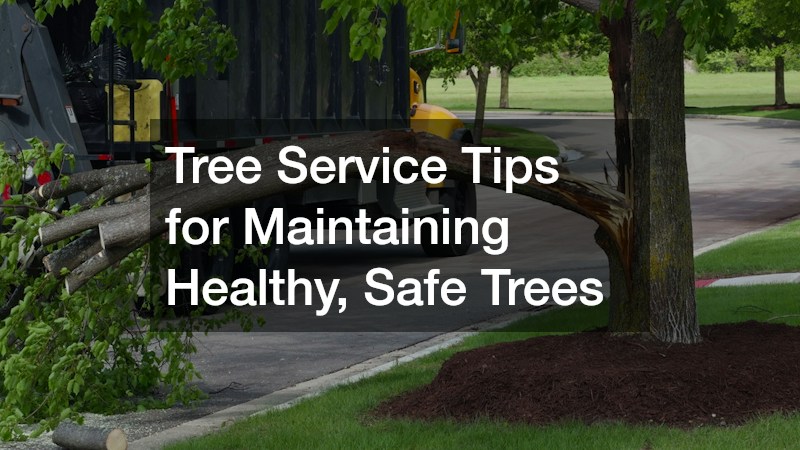
Some tree problems become more difficult to manage when they are ignored. Signs such as extensive deadwood, fungal growth, cavities, splitting branches or significant leaning should receive attention. Trees can also become more vulnerable following severe weather, when high winds or heavy precipitation may cause hidden structural damage.
Storm damage deserves particular caution. A branch may appear stable while remaining partially detached or under tension. Damaged trees can also involve electrical hazards or unstable limbs that make cleanup dangerous. Property owners should avoid taking unnecessary risks when dealing with large or elevated branches.
Professional tree services can be useful when a situation involves substantial pruning, removal of hazardous limbs, storm damage or concerns about a tree’s structural condition. An experienced professional can evaluate the situation and determine what work is appropriate rather than relying on guesswork.
Maintaining healthy, safe trees starts with consistent attention. Regular inspections can reveal changes before they become major concerns, while proper pruning can support stronger structure and reduce hazards. Adequate water, appropriate mulch, and protection from root damage can further support long-term growth.
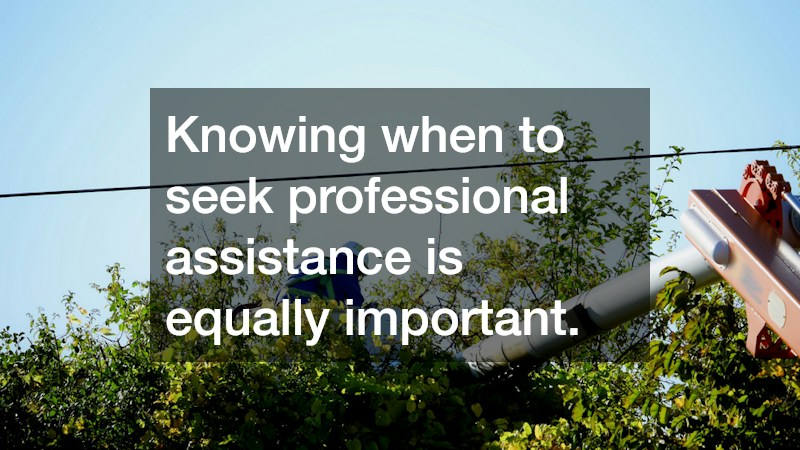
Knowing when to seek professional assistance is equally important. Some maintenance tasks may be manageable for property owners, while large branches, storm-damaged trees and structural concerns can require specialized equipment and experience. By combining routine care with professional tree services when needed, property owners can help their trees remain attractive, healthy and safer for years to come.