
Highlights
- Landlords often make avoidable mistakes with leases, deposits, notices, repairs, and tenant screening.
- Landlord law helps property owners understand their legal duties before disputes begin.
- Written documentation is one of the strongest protections a landlord can have.
- Fair housing rules apply to advertising, screening, renewals, and tenant communication.
- Eviction mistakes can delay cases and increase costs.
- Legal guidance can help landlords protect rental income while staying compliant.
What Mistakes Do Landlords Make Most Often?
Landlords most often get into trouble when they treat rental management like an informal agreement instead of a legal business relationship. The biggest mistakes usually involve unclear lease terms, inconsistent tenant screening, improper security deposit handling, delayed repairs, weak documentation, and eviction steps that do not follow state or local rules.
Landlord law can help prevent these issues by giving property owners a clear framework for what they can require, what they must disclose, and how they should respond when problems arise. Because landlord-tenant law is shaped by state statutes, local ordinances, lease agreements, and sometimes federal rules, relying on assumptions can be risky. A landlord who understands the legal process is better prepared to protect the property, communicate clearly with tenants, and reduce the chance of expensive disputes.
How Can Screening Mistakes Lead to Legal Trouble?
Tenant screening is one of the most important parts of rental management, but it can also create legal risk when handled inconsistently. Landlords should apply the same written criteria to every applicant and avoid decisions that could appear discriminatory. Screening reports may include credit history, eviction history, criminal records, income information, or rental references, but landlords must use this information carefully. The Federal Trade Commission explains that tenant background checks are consumer reports, which means landlords have responsibilities under the Fair Credit Reporting Act when using them. Fair housing rules also matter because screening standards that seem neutral can still create problems if they unfairly affect protected groups. A lawful process is consistent, documented, and tied to legitimate rental qualifications.
What Should Landlords Document From the Start?
Good documentation helps landlords prove what happened, when it happened, and how they responded. Without records, a landlord may struggle to defend a lease violation, repair decision, deposit deduction, or eviction filing. The best approach is to create a paper trail before there is a problem.
Landlords should keep records such as:
- Signed lease agreements and renewal documents
- Move-in and move-out inspection photos
- Rent payment records and late notices
- Maintenance requests and repair invoices
- Tenant complaints and landlord responses
- Written notices about lease violations
- Security deposit statements and deductions
- Emails, letters, and text communications related to the tenancy
Landlord law supports this kind of documentation because many disputes depend on timelines, notice requirements, and proof of compliance. Clear records can prevent confusion and strengthen the landlord’s position if a tenant challenges a charge, repair issue, or lease enforcement action.
Why Do Security Deposits Cause So Many Disputes?
Security deposits often lead to conflict because landlords and tenants may disagree about damage, cleaning costs, unpaid rent, or deadlines for returning funds. Many states limit how much a landlord can collect, where the money must be held, how quickly the deposit must be returned, and what kind of written explanation is required for deductions. A common mistake is treating the deposit like general rental income instead of money held for a specific legal purpose. Another mistake is charging for normal wear and tear, which is usually different from tenant-caused damage. Landlord law helps property owners understand the difference and follow the correct process. The safest practice is to document the unit’s condition before move-in, inspect it after move-out, and provide an itemized statement when deductions are made.
What Eviction Errors Should Landlords Avoid?
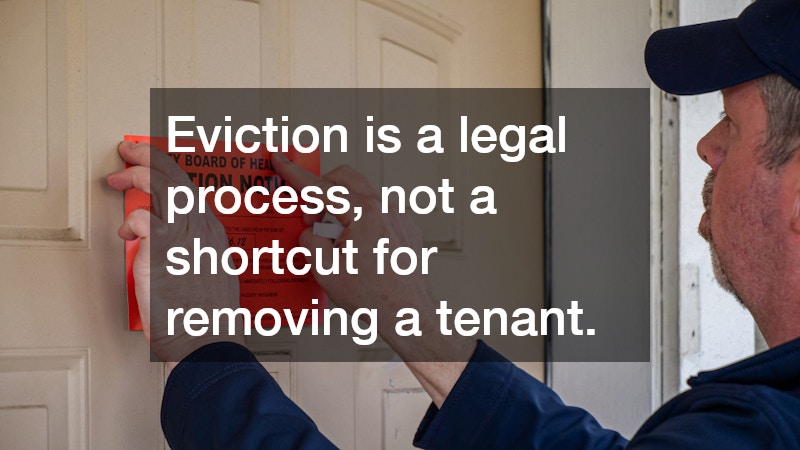
Eviction is a legal process, not a shortcut for removing a tenant. Landlords can run into trouble when they change locks, shut off utilities, remove belongings, threaten tenants, or file court paperwork without giving the proper notice first. These mistakes can delay the case and may expose the landlord to penalties.
Common eviction errors include:
- Using the wrong notice form
- Giving too little time to cure or vacate
- Filing before the notice period ends
- Accepting rent after starting the process without understanding the effect
- Failing to prove the lease violation
- Trying to remove the tenant without a court order
- Ignoring local rules that add extra tenant protections
Landlord law helps property owners follow each required step in order. A legally compliant eviction may still be stressful, but it is far safer than taking action that could be seen as self-help eviction.
Why Should Landlords Get Legal Guidance Early?
Landlords often wait until a dispute becomes expensive before asking for legal help. That delay can make the problem harder to fix. Legal guidance is useful before a lease is signed, before a deposit is withheld, before a tenant is denied, before a notice is served, or before an eviction is filed. An attorney can review lease language, explain local rules, identify risky policies, and help landlords respond to tenant disputes in a professional way. Landlord law is especially important for owners with multiple units, commercial properties, subsidized housing, or rentals in cities with strict local ordinances. Early guidance can reduce mistakes, protect rental income, and help landlords make decisions that hold up if challenged.
What Is the Bottom Line for Landlords?
The most common landlord mistakes are usually preventable. Weak leases, poor documentation, inconsistent screening, deposit errors, repair delays, fair housing missteps, and improper eviction actions can all create unnecessary risk. Landlord law gives property owners a practical roadmap for managing rentals with more confidence and fewer surprises. It does not remove every challenge, but it helps landlords make decisions based on rules instead of guesswork. For property owners, the goal is not just to win disputes after they happen. The goal is to prevent disputes by using clear agreements, consistent procedures, accurate records, and legally sound communication. Landlords who take the law seriously are better positioned to protect their property, maintain steady rental income, and build more professional tenant relationships.
Sources
Cornell Law School Legal Information Institute: https://www.law.cornell.edu/wex/landlord-tenant_law
Federal Trade Commission: https://www.ftc.gov/business-guidance/resources/using-consumer-reports-what-landlords-need-know
U.S. Department of Housing and Urban Development: https://www.hud.gov/sites/dfiles/PIH/documents/HCV_Guidebook-Chapter_Fair-Housing_April-2025.